The Other Path
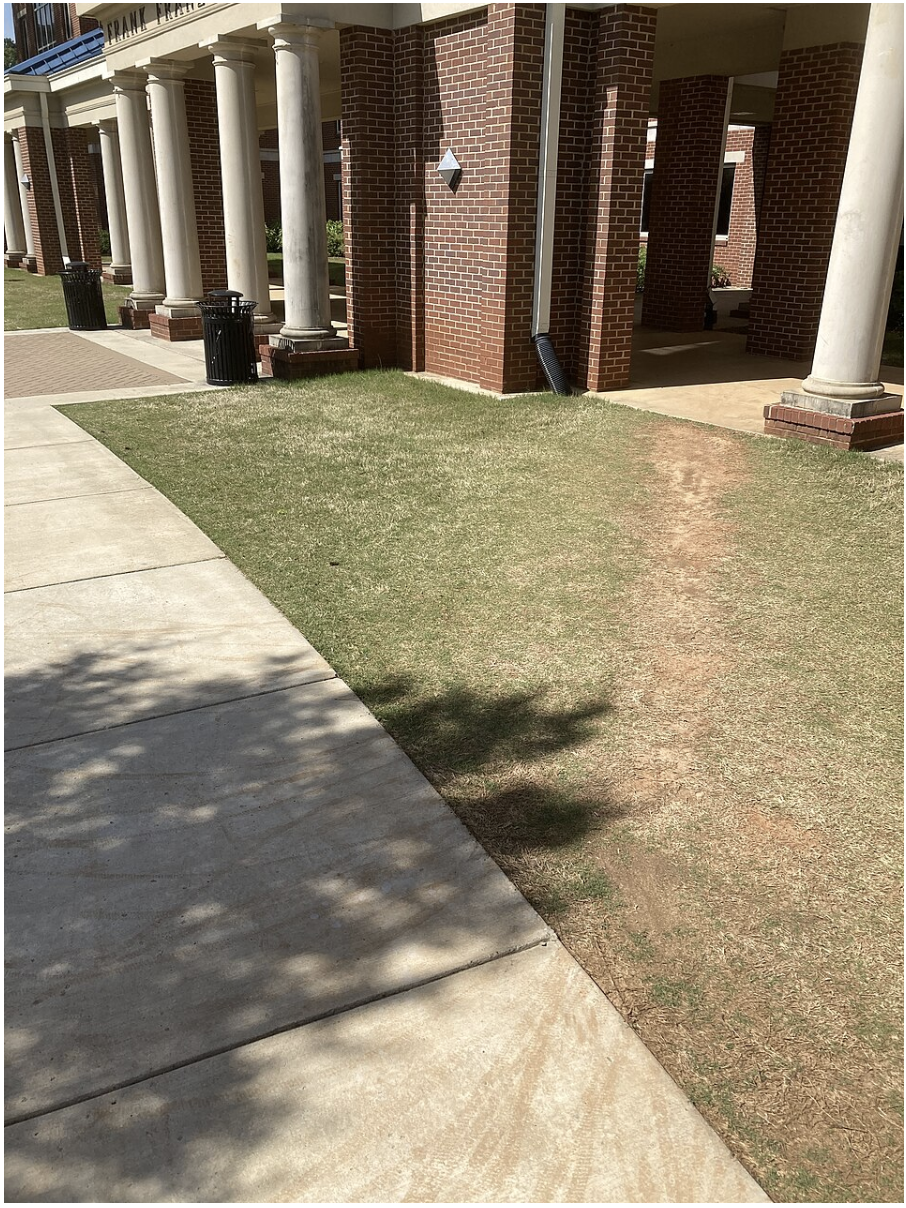
Someone put considerable thought into designing this sidewalk.
Its primary purpose was simple: connect the places people were coming from and going to.
But the sidewalk served other purposes, too. Its curves complemented the landscaping, created visual balance, and contributed to the appearance of the entire space.
It may have been beautifully designed.
But look closely.
Across the grass, there's another path. No pavement. No signs. Just a worn strip of ground where people have repeatedly chosen to walk.
The sidewalk was designed with the space in mind. The shortcut was created by the people using it.
We see versions of this every day.
We create systems, establish procedures, and develop expectations based on what we've learned, what we've been taught, and what we believe works best.
Then someone chooses a different path.
Sometimes they don't understand the purpose behind the system. Sometimes they disagree with its value. And sometimes they've discovered a better way.
The shortcut doesn't necessarily mean the sidewalk should be moved. There may be good reasons for keeping it exactly where it is.
But it does reveal something the original design may not have fully considered.
A system can be thoughtfully designed and still overlook the experience of the people it's intended to serve.
Before deciding someone is taking the wrong path, perhaps we should understand what they're seeing from where they stand.